Sammoo Village Diwali Curse: The Village That Shuns Light for Centuries
The Sammoo village Diwali curse is a centuries-old legend that has led the small Himachal Pradesh village of Sammoo to abstain from celebrating the festival of Diwali. Unlike millions across India and Tamil Nadu who joyously mark this day with lights and fireworks, Sammoo remains silent and dark in fear of calamity. According to villagers, a pregnant woman who lost her soldier husband in war committed Sati and cursed the village, forbidding any Diwali festivities (India Today, The Tribune).
This curse has shaped the village’s customs: no fireworks, limited oil lamps only at the temple, and avoidance of music or celebration. Attempts to break the curse through rituals have reportedly failed, reinforcing belief in its power. This unique tradition contrasts strikingly with the vibrant Diwali celebrations familiar to Tamil Nadu residents, highlighting India’s cultural diversity (The Tribune).
The Curse’s Origin: A Tale of Devastating Loss
Around two to three centuries ago, during a time of war, a pregnant woman from Sammoo eagerly awaited Diwali celebrations with her soldier husband. However, fate dealt a cruel blow when soldiers brought back the husband’s dead body instead of him returning home. Overcome with grief, the woman immolated herself on his funeral pyre. Before dying, she pronounced a dreadful curse that no one in Sammoo would be able to celebrate Diwali henceforth.
Villagers recount that this curse is not merely superstition but a force deeply felt every year. They believe that any attempt to celebrate Diwali beyond the minimal lighting of diyas results in great misfortune, including deaths and accidents. Attempts have been made over the decades to break or lift the curse through religious ceremonies like havan and yajna, but all have been unsuccessful (India Today, News18).
Present-Day Reality in Sammoo Village
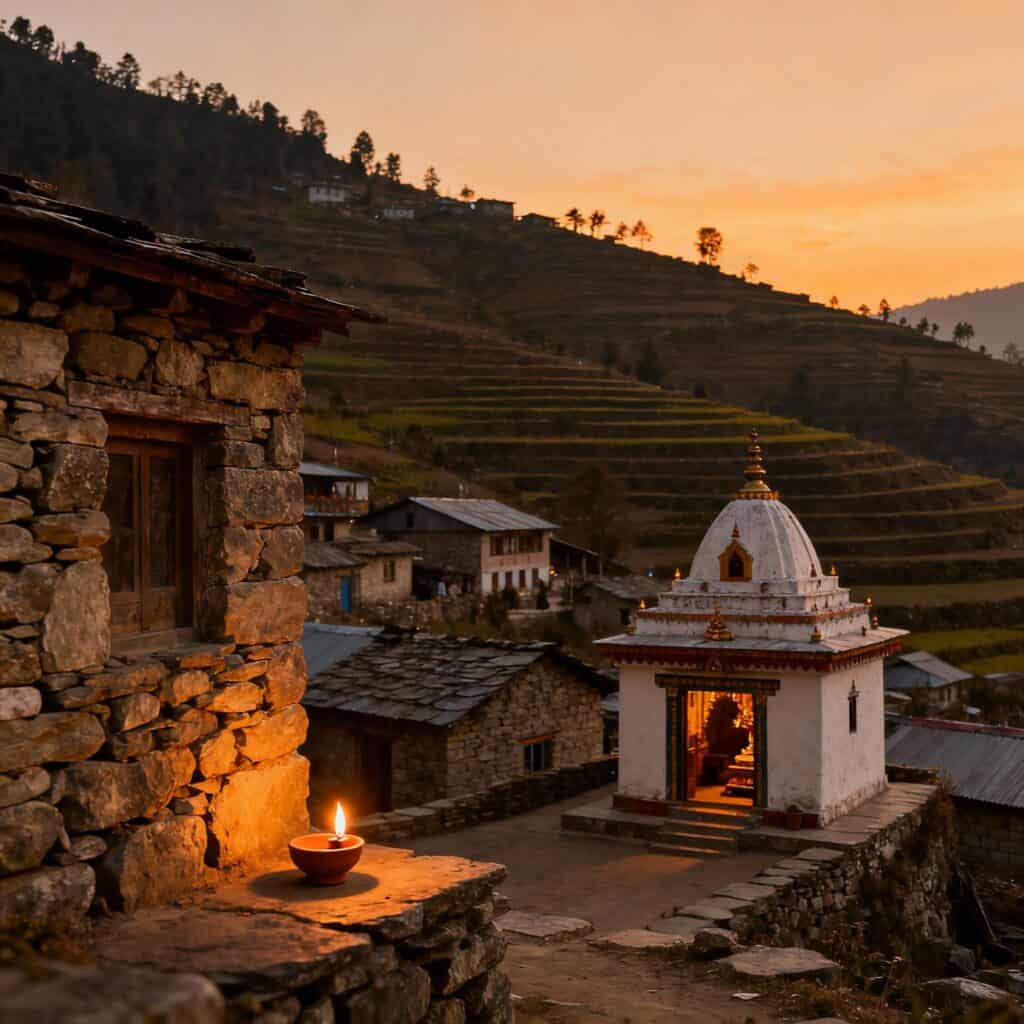
Located about 25 kilometers from the Hamirpur district headquarters, Sammoo village remains one of the few places in India where Diwali is observed in near silence. The villagers do not light their homes with lamps, do not burst crackers, nor do they prepare sweets or celebrate publicly. Instead, only a few small diyas are lit at the village temple. Many villagers stay indoors on Diwali day, fearful of inviting evil upon the community.
Panchayat deputy Veena Devi said that since she married into the village, she has never witnessed a traditional Diwali celebration. Local elders warn newcomers and younger generations of the dangers in disregarding the curse (The Tribune).
Attempts to Break the Curse and Cultural Significance
Several large-scale rituals have been performed to end the curse, including a significant yajna three years ago organized by villagers. Unfortunately, the curse’s grip has remained unbroken, and the fear persists.
For many residents, the curse has become a symbol of respect for tragic loss, binding the community with shared memory and identity. This story stands in sharp contrast to the joyous and colorful Diwali festivities observed widely in Tamil Nadu and the rest of India, highlighting the diverse ways in which Indian festivals can reflect local culture and history.
Key Facts About Sammoo Village and Its Diwali Practices
| Key Detail | Information |
|---|---|
| Location | Sammoo Village, Bhoranj Tehsil, Hamirpur District, Himachal Pradesh |
| Distance | Around 25 km from Hamirpur district headquarters |
| Population | Less than 1,000 residents |
| Core Belief | Curse by a pregnant woman who committed Sati during Diwali |
| Diwali Observance | Only a few oil lamps lit at temple, no fireworks or public celebration |
| Ritual Attempts | Various havan and yajna ceremonies conducted but failed to lift curse |
| Local Leadership | Veena Devi, Deputy to Panchayat Head |
Why This Story Matters to Tamil Nadu Readers
For Tamil Nadu’s readers, Diwali is one of the highest cultural and religious celebrations filled with light, sound, and joy. The quiet darkness of Sammoo village on this day offers a compelling counter-narrative—how deep-rooted beliefs and tragic history can profoundly shape cultural practices.
Tamil Nadu also harbors its own traditions where myths and history influence local customs. Understanding Sammoo’s Diwali curse story allows readers broader insight into how festivals can express complex layers of meaning across India’s diverse regions.
This story enriches Tamil Nadu’s cultural awareness and encourages respectful curiosity toward indigenous practices elsewhere in the country.
Official Perspectives and Future Outlook
The Himachal Pradesh Department of Language, Art & Culture acknowledges Sammoo’s unique cultural identity and preserves respect for its traditions. Any movement toward lifting the curse would depend entirely on local societal faith and willingness, maintaining the delicate balance between heritage and change (Himachal Government).
As the vibrant lights of Diwali spread across Chennai and Tamil Nadu, the hush in Sammoo continues — a stark reminder of centuries-old tragedy, faith, and resilience.
What are your thoughts on preserving such traditions versus embracing modern celebrations? Share your views on TN8.in and join the conversation.
Disclaimer: This article is compiled from verified news reports including India Today and The Tribune. It aims to explore cultural traditions objectively without endorsing superstition or discouraging festival observance.